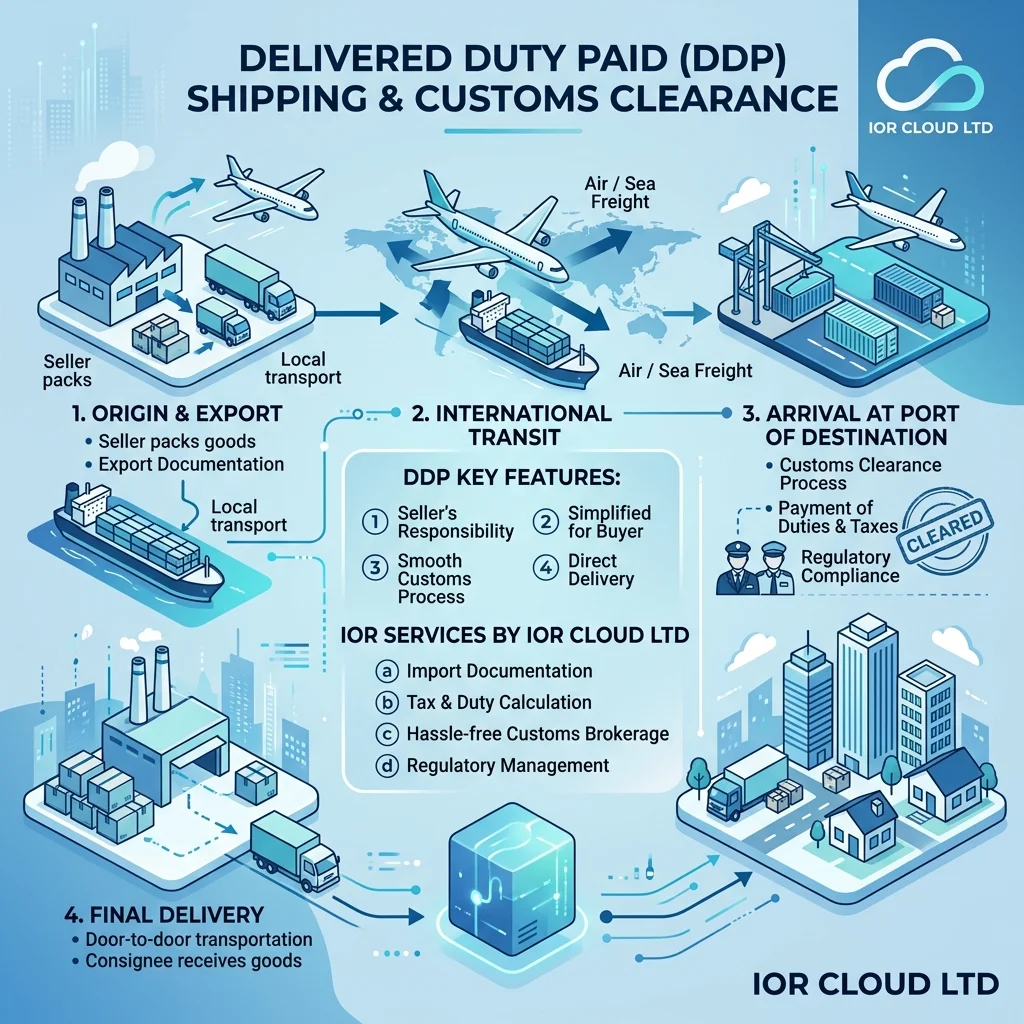

Hyperscale and colocation data center rollouts are some of the most demanding shipments we manage — not because the hardware is unusual, but because of the sheer volume, value, and regulatory surface area involved. A single regional buildout can include hundreds of pallets of servers, switches, and cooling infrastructure, each subject to its own classification and certification rules. Here's the checklist our team runs before a deployment begins.
1. Confirm Telecom and Radio-Frequency Certification
Nearly every country we operate in requires type approval for networking and radio-emitting equipment — ANATEL in Brazil, ICASA in South Africa, NCC in Nigeria, and dozens of similar bodies worldwide. Confirming certification status before shipment, not after arrival, is the single biggest lever for avoiding a port hold.
2. Classify Every Line Item by HS Code
Servers, GPUs, switches, cabling, and rack hardware often fall under different Harmonized System codes with different duty treatment. Misclassifying even a portion of a shipment can trigger a full re-audit of the entire manifest by customs.
3. Determine Local Entity and Import Registration Requirements
Some markets require the importer to hold a locally registered business number (SARS importer code in South Africa, Siscomex radar registration in Brazil) before customs will even accept a declaration. Confirming this requirement early avoids a scramble once hardware is already in transit.
4. Plan Inland Logistics From Port to Site
Clearing port or airport customs is only half the journey. Landlocked deployment sites, or facilities located far from the port of entry, often require specialized inland freight — something we plan for explicitly in markets like Paraguay, Rwanda, and the DRC.
5. Build in Duty and Tax Exemption Research
Many countries offer reduced or zero duty rates for hardware imported into approved special economic zones, free trade zones, or specific government-partnered infrastructure projects. Identifying and applying for these exemptions before shipment can meaningfully reduce total landed cost.
Running this checklist across every one of our 60+ covered markets is what allows IOR Cloud Ltd. to quote a fixed DDP landed cost and delivery timeline before a single rack leaves the origin warehouse. If you're planning a multi-region rollout, our team can walk through this checklist against your specific bill of materials — get in touch to start scoping.