A global infrastructure footprint eventually outgrows what a centralized ops team can physically reach. Flying an engineer out for a routine rack-and-stack job, a cable trace, or a hardware swap is slow and expensive — but most individual sites don't generate enough recurring work to justify a full-time local technician either.
What Smart Hands Actually Covers
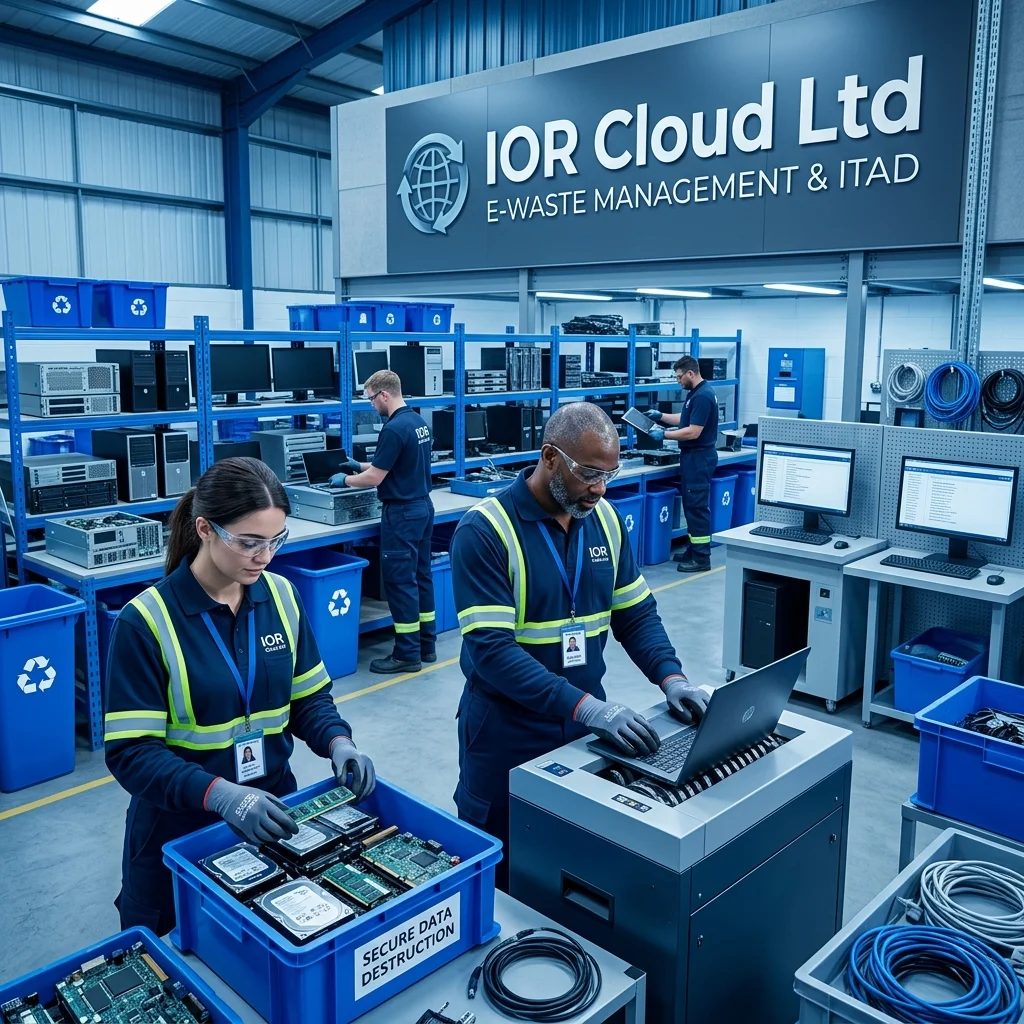
Remote smart hands services typically include physical installation and de-installation of hardware, cabling and labeling, power cycling and basic diagnostics, visual inspections, and guided remote-hands work directed live by your own engineering team over video or screen share.
The Real Value Is Response Time
The difference between a technician on-site within hours versus a multi-day flight-and-hotel engagement is often the difference between a minor incident and a prolonged outage. For distributed infrastructure — edge nodes, regional PoPs, branch office server rooms — local response time is frequently more important than deep specialization.
Pairing Smart Hands With Import Logistics
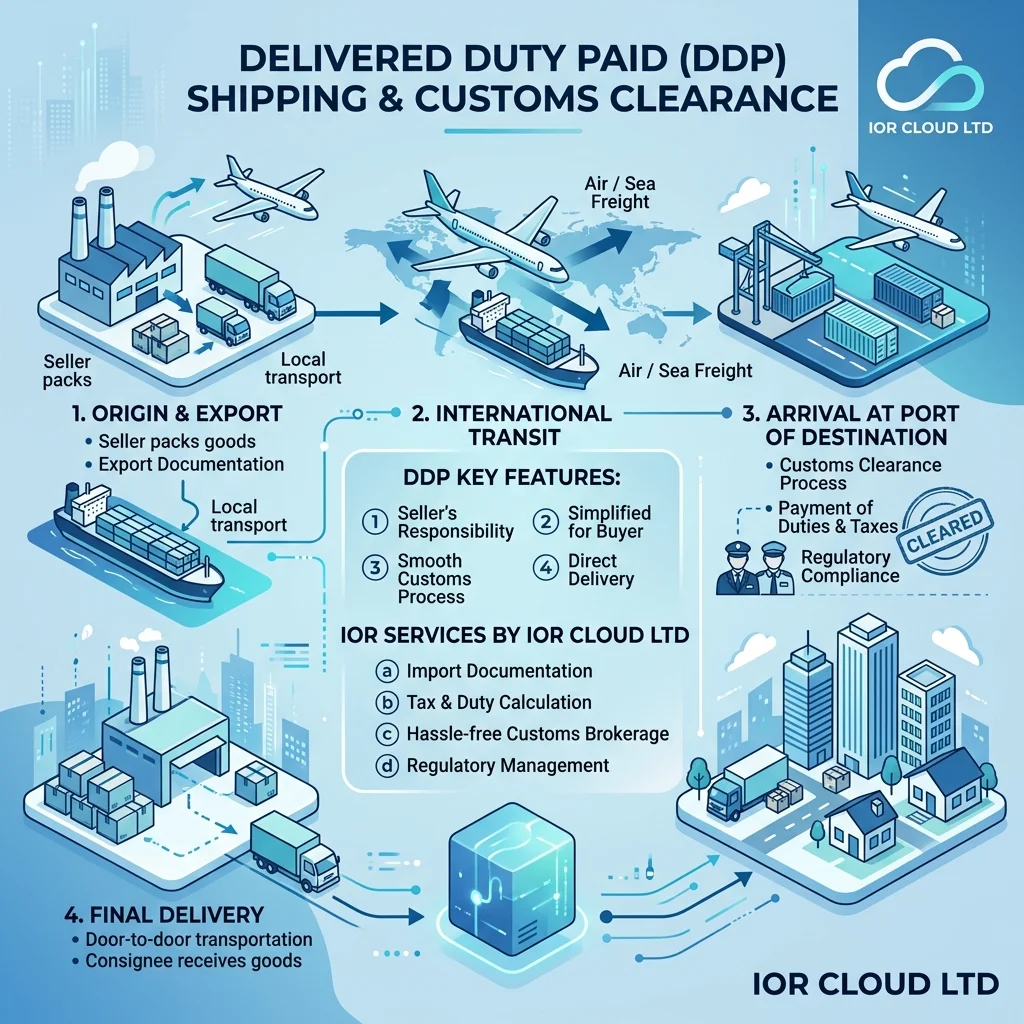
Replacement parts still have to get to site, which means smart hands work is most effective when paired with the same compliance and logistics chain that handled the original deployment — so a failed component can be replaced without waiting on a fresh customs clearance.
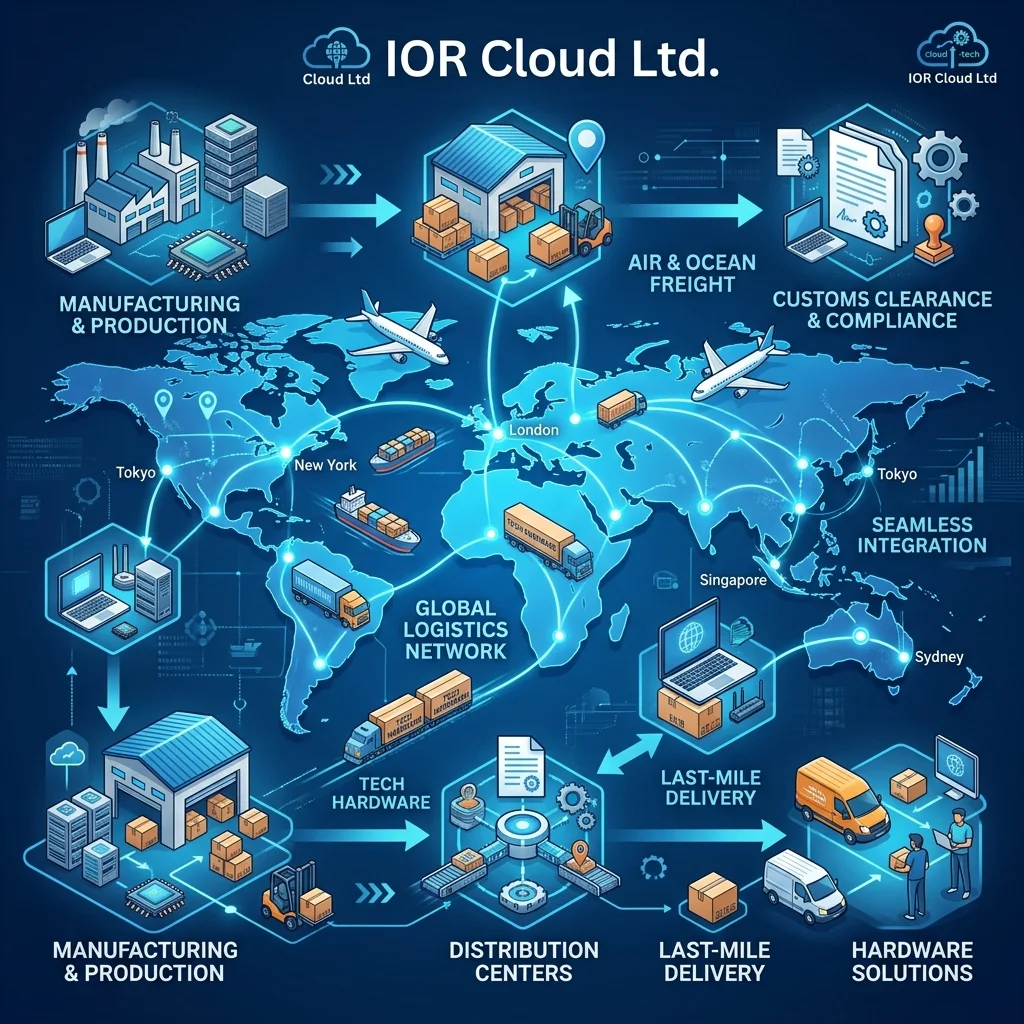
Our Remote IT Smart Hands network operates across our full location footprint, backed by local spare parts stock where warranted.