Industrial IoT and remote monitoring equipment for mining operations create a logistics problem that looks nothing like a typical urban data center deployment: the destination is frequently hundreds of kilometers from the nearest port or airport, often across terrain that standard freight carriers won't touch.
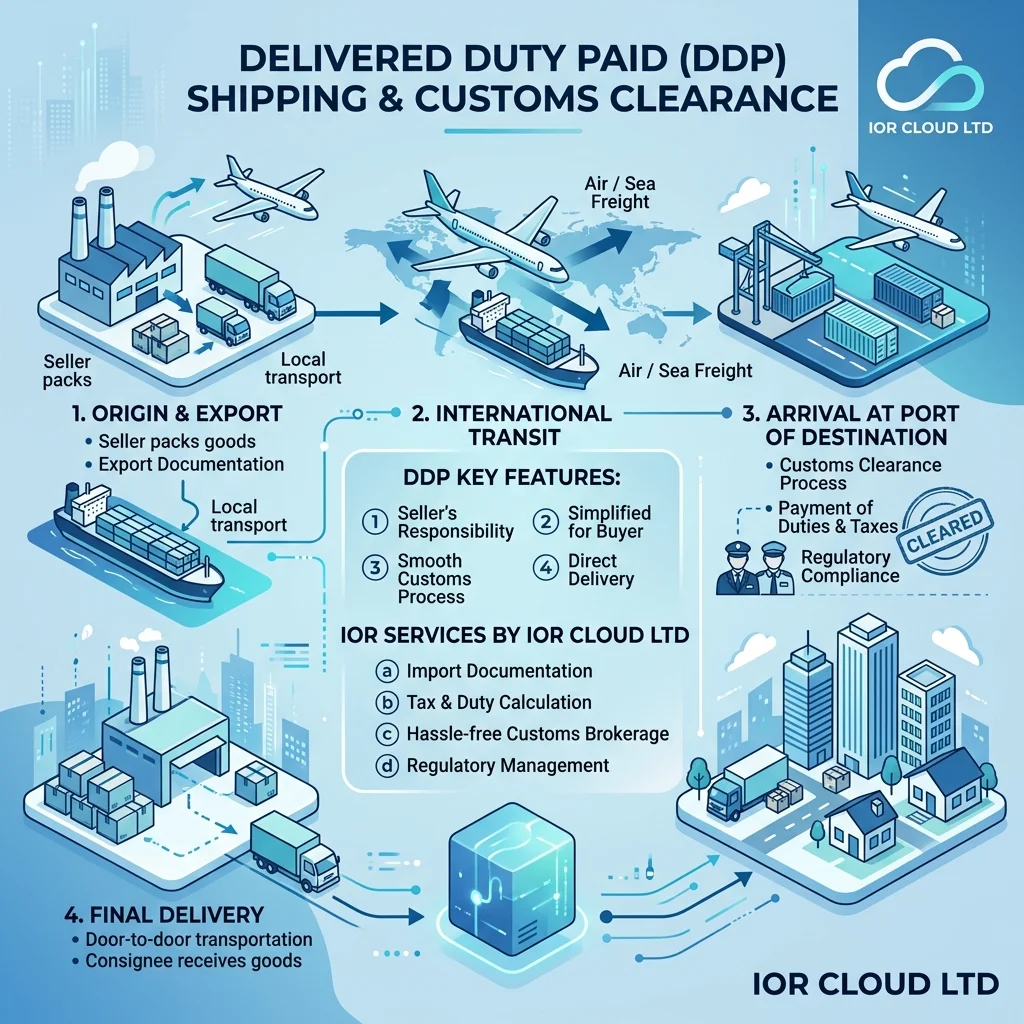
Customs Clearance Is Just the First Leg
Clearing equipment through a national port of entry, in markets like the Democratic Republic of Congo or Peru, is often the more predictable part of the journey. The harder problem is coordinating secure, reliable inland transport from that port to a remote mine site, frequently requiring specialized vehicles and security escorts.
Ruggedized Equipment, Standard Regulations
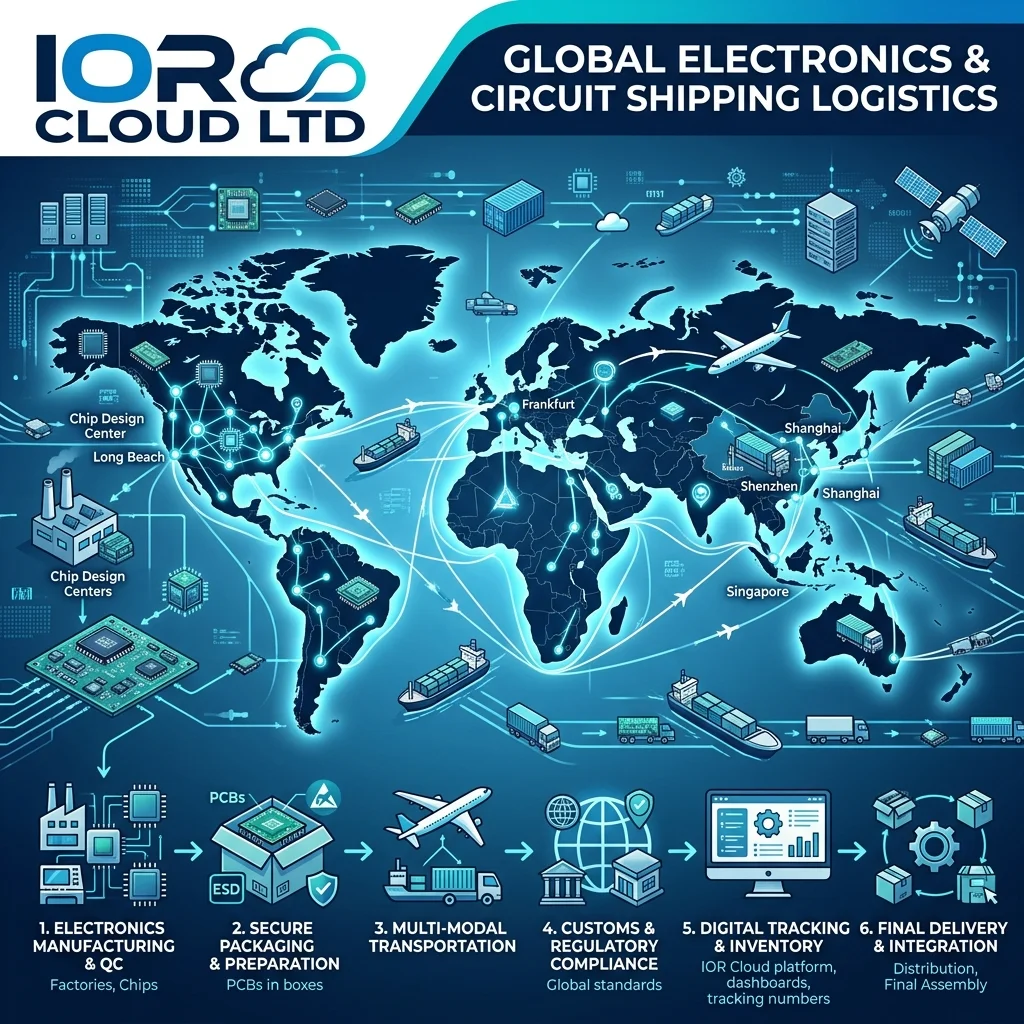
Despite operating in extreme physical environments, mining IoT hardware — sensors, gateways, ruggedized servers — is still subject to the same telecom type approval and customs classification rules as any other electronics import. Remote operating conditions don't exempt equipment from local certification requirements.
Planning Around Site Access, Not Just Customs
Deployment timelines for remote industrial sites need to account for seasonal road conditions, security clearances for the operating region, and coordination with the mining operator's own site logistics team — factors that sit entirely outside standard customs planning.
Our Mining Tech logistics practice plans for both halves of this journey: compliant customs clearance and the specialized inland transport needed to actually reach the site.