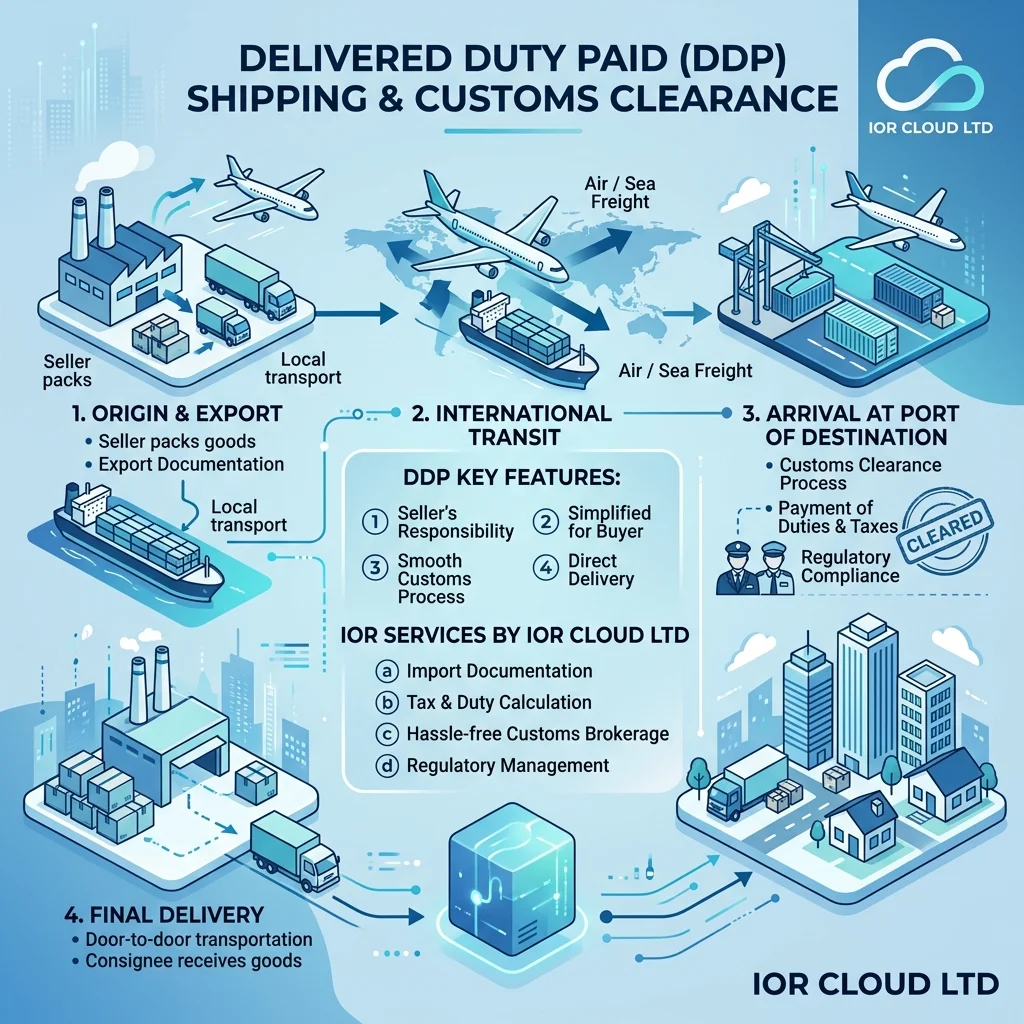
In dozens of the markets we operate in, a foreign company cannot legally import goods without a locally registered importing entity. That single regulatory fact is the entire reason the Importer of Record (IOR) model exists — and why it has become foundational infrastructure for global technology rollouts rather than a niche logistics service.
More Than a Signature on a Customs Form
A capable IOR does far more than lend its registration number to a shipment. It takes on legal responsibility for the accuracy of the customs declaration, the correct application of duties and taxes, and compliance with any product-specific certification — telecom type approval, safety marks, or import licensing — required before the goods can clear.
Liability Doesn't Disappear, It Transfers
When something goes wrong on a customs declaration — a misclassified HS code, an expired certification, an undervalued invoice — the liability sits with whoever is named as the Importer of Record. That's precisely why choosing an IOR with deep, current knowledge of the destination market's regulations matters more than choosing the cheapest quote.
Consistency Across a Global Rollout
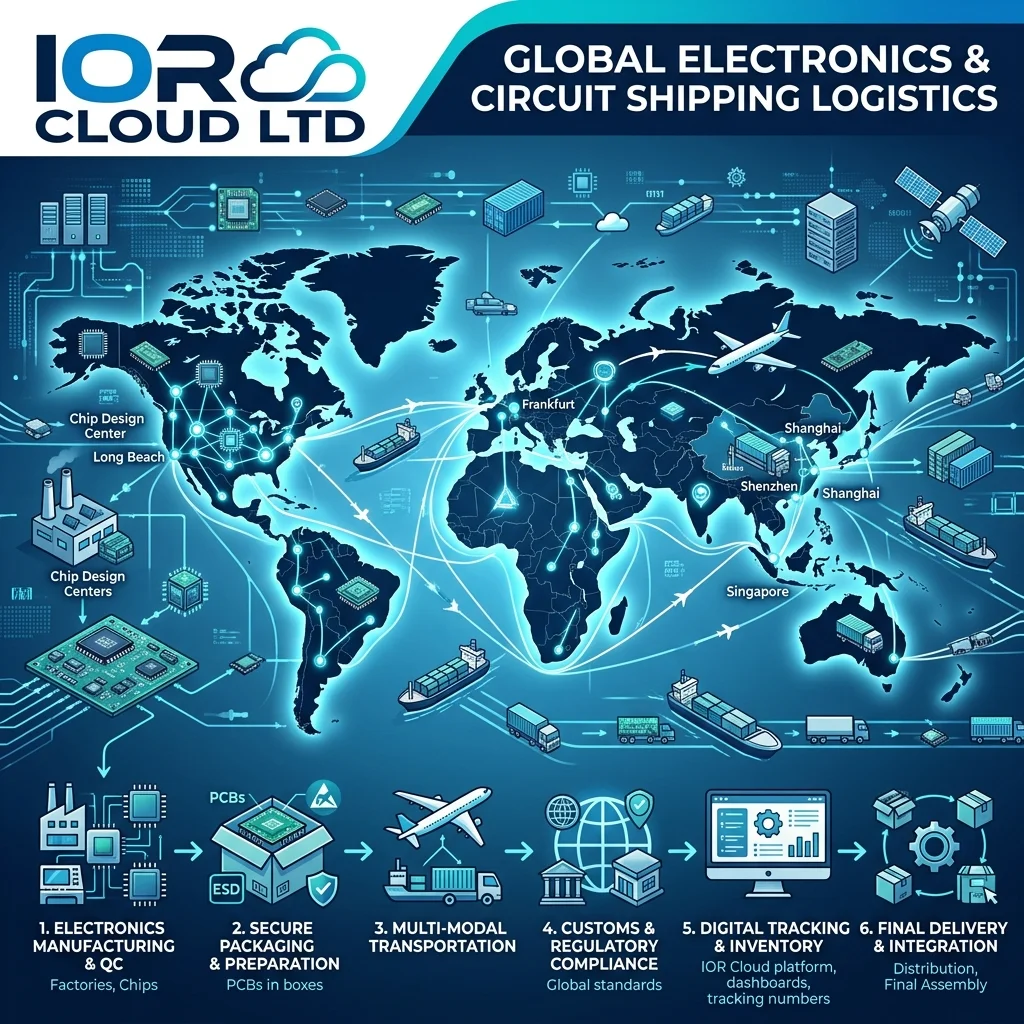
For a multi-country deployment, using a single IOR partner across every market creates a consistent standard of documentation, valuation methodology, and certification tracking — instead of a different broker's interpretation of the rules in every country.
Our Global IOR Services cover more than 60 countries and territories with this exact standard, giving multinational clients one relationship to manage instead of dozens of local vendors.