
Freight carriers cap their liability for lost or damaged cargo at a fraction of replacement value — often calculated by weight, not by declared value. For a pallet of enterprise servers or specialized networking equipment, that cap can leave a business absorbing the vast majority of a loss even when the carrier is clearly at fault.
The Gap Between Carrier Liability and Actual Value
Standard air and ocean carrier liability terms, under conventions like the Montreal Convention or the Hague-Visby Rules, were designed for general cargo, not high-value, low-weight technology equipment. A single damaged server can be worth more than the carrier's entire liability payout for the shipment it traveled in.
What Dedicated Cargo Cover Adds
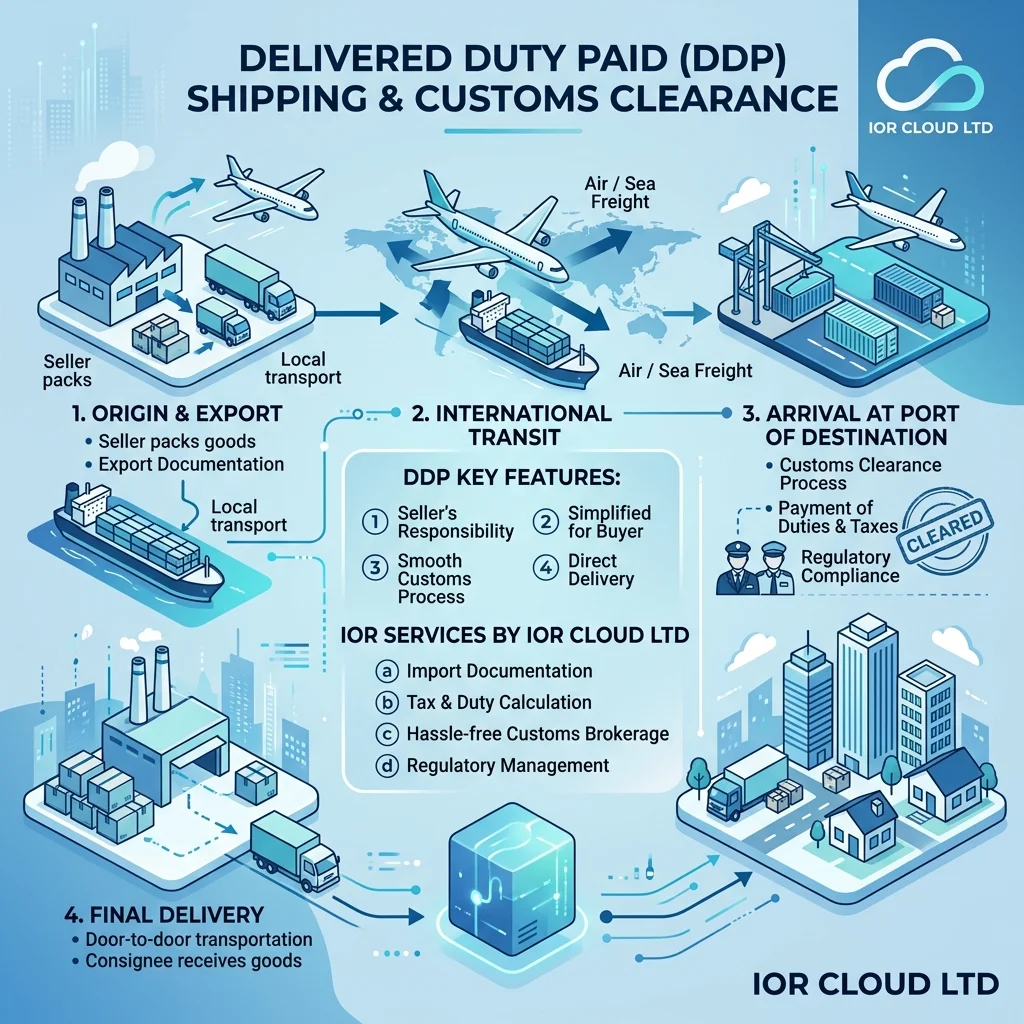
Dedicated cargo liability insurance is underwritten against the declared value of the goods themselves, not a weight-based formula, and typically covers the full transit chain — origin handling, international freight, customs holding, and final-mile delivery — as a single continuous policy rather than a patchwork of carrier-specific terms.
Coverage Should Match the Deployment, Not Just the Shipment
For recurring deployments, a standing liability policy scaled to typical shipment value is usually more efficient than insuring each shipment individually, and avoids gaps in coverage during multi-leg journeys that cross several carriers.
Our Liability Cover is built around the realistic replacement value of enterprise IT hardware, not the freight industry's default liability caps.